Fossil fuels are found in the earth and are the most common source of energy, and include principally coal, oil and natural gas. Other types of energy are geothermal, solar, hydroelectric, wind, nuclear and biomass. These latter sources of energy are increasingly preferred over fossil fuels for two reasons: they are more sustainable and they are comparatively less harmful. This post explores the move away from fossil fuels.
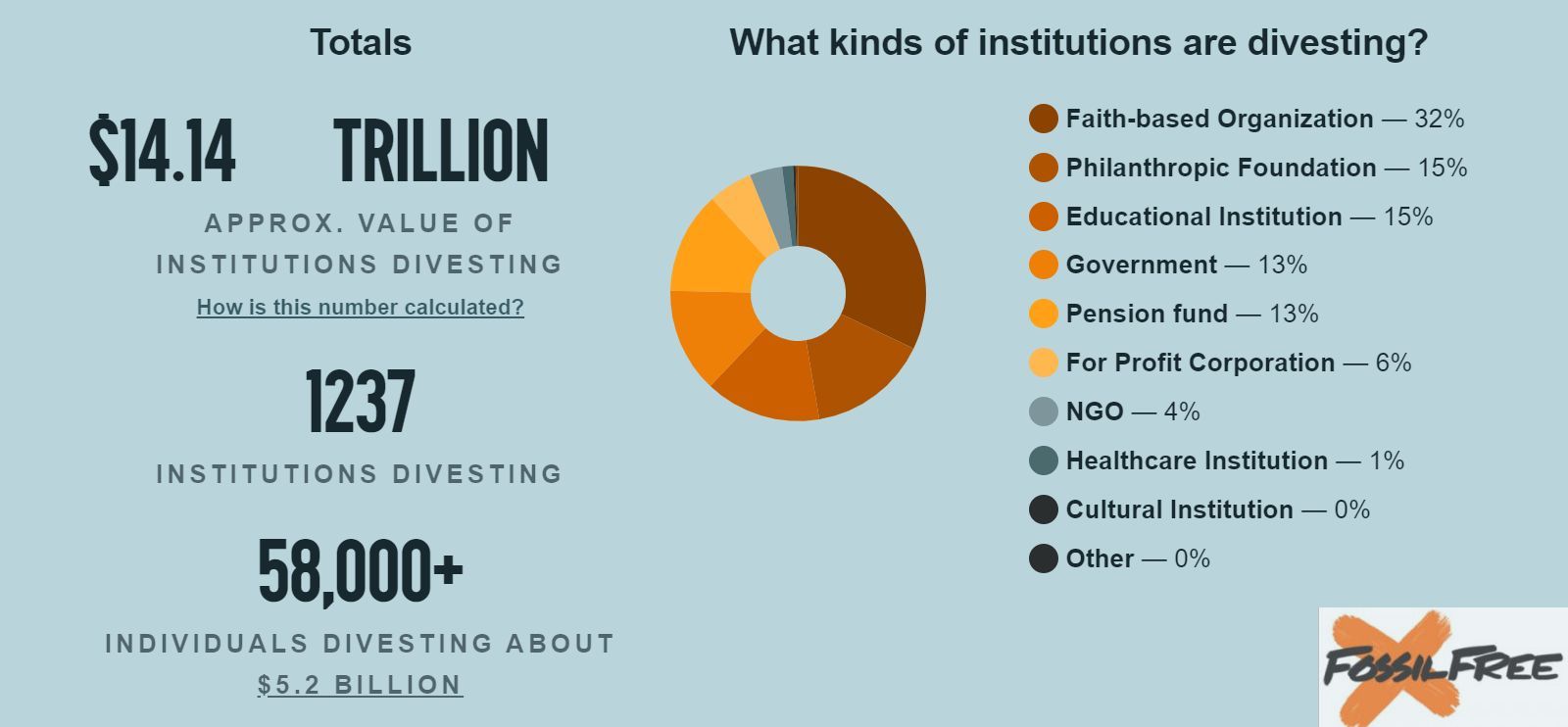
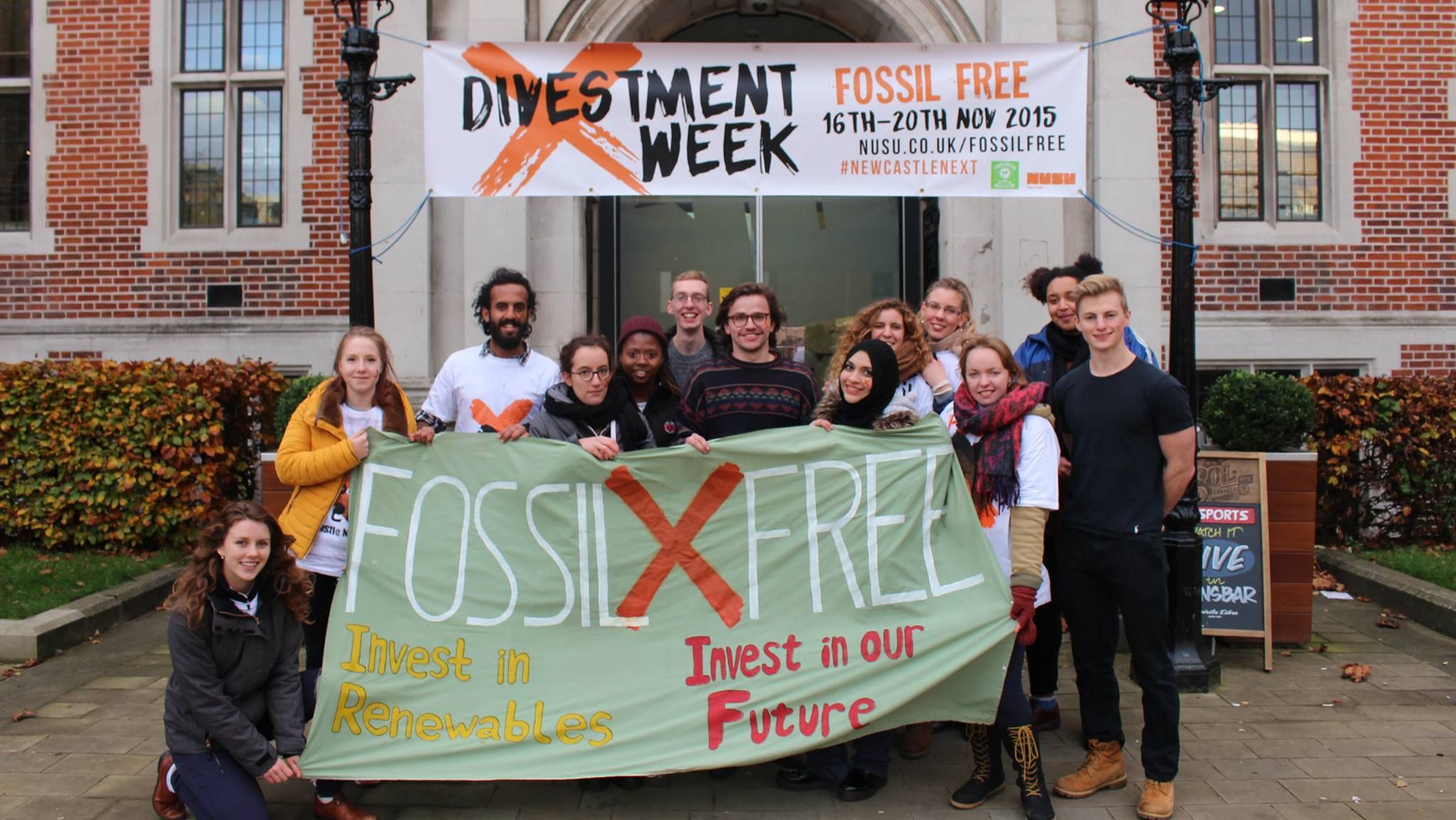
The process of burning fossil fuels releases carbon dioxide (CO2) and other toxic substances into the atmosphere, and has detrimental impacts on the environment and human health. One impact of a disproportionate amount of CO2 in the atmosphere is global warming. Action on climate change has long been framed in terms of greenhouse gas (GHG) emissions, and fossil fuels are widely understood to be a primary source of emissions. In 2017, it was reported that just 100 fossil fuel companies are responsible for 71% of global GHG emissions since 1988. Environmental destruction of the scale observed to date has repercussions for equality and equity, and is linked to social injustice, imperialism, human rights abuses and global inequality and inequity. The impacts are particularly damaging for small island states and low- and middle-income countries. Clearly, the solution is to stop burning fossil fuels. In 2015 the world came together to draft the Paris Agreement, an international treaty the goal of which is to limit global temperature increase to 2°C. More recently, the Intergovernmental Panel on Climate Change has warned that unless more ambitious action is taken, the global temperature will increase by 1.5°C as early as 2030. Energy is a deeply complex subject, rooted in politics, economics, security, international relations and environment. The immediate cessation of extraction of fossil fuels is impossible, although that’s not to say a transition is not needed or indeed underway. For now, though, governments around the world continue to subsidise fossil fuel companies, in order to stabilise the industry and ensure low energy costs for consumers and suppliers. A report by the International Monetary Fund showed that in 2017 global fossil fuel subsidies were at $5.2 trillion (6.5% of global GDP). Given that no fossil fuel company would willingly put itself out of business, and that the system continues to permit the destructive behaviour exhibited by fossil fuel companies, change must come from the ground up. The Fossil Free campaign was born in 2010, and is aimed at persuading individuals and institutions to withdraw their financial support from fossil fuel companies. More than attempting to weaken the economic power of fossil fuel giants, the movement revokes the social licence we have so far extended to the fossil fuel industry. It sends a signal that we no longer tolerate the destruction of the Earth for economic gain. This aim of “stigmatising” the fossil fuel industry has been reiterated by researchers at Oxford University and Bill McKibben from 350.org: “Severing our ties with the guys digging up the carbon won't bankrupt them – but it will start to politically bankrupt them, and make their job of dominating the planet's politics that much harder.” If the destruction of the planet is not reason enough to move away from fossil fuels, consider the practicality and economics of the industry. Not only are fossil fuels not necessary (given the increasing availability and affordability of renewable energy sources), they are also not viable as a long-term resource. Fossil fuels are finite, meaning they cannot be replenished, and are expected to be depleted within the century. So who is driving the fossil free campaign, and which institutions have joined the bandwagon? We have largely environmental NGOs and students to thank, but many individuals are contributing to the cause as well. In a 2016 article Beta Coronel called on the State of New York to divest. A recent effort led by Hinako Arao involved phoning banks in Japan to pressure them to revise their policies for lending to coal developers. When it comes to universities, students play a significant role in urging their universities to divest. Partly as a result of student activism, 140 universities around the world have committed to fully withdrawing their investments from fossil fuel companies. As a recent example, Newcastle University in the UK finally completed its divestment process in 2019 after years of pressure from students. Universities have a significant opportunity to show leadership in the fight against climate breakdown, and action taken at the university level could influence the national government to pursue more ambitious action. On the world stage, this could translate to certain countries seriously pursuing their Paris Agreement contributions and setting an example for others.